Why Settle? Unlock Your Business Potential With AI!

Unlock the power of AI to drive business transformation with intelligent automation, predictive analytics, and generative AI solutions. At Valens DataLabs, we help businesses streamline operations, enhance customer experiences, and make data-driven decisions. Stay ahead of the competition with tailored AI solutions designed for your success.
Everything Your Business Needs for Scale
Application Development
Build custom applications tailored to your business needs, delivering scalable and innovative software solutions.
Cloud Infrastructure & DevOps
Streamline your operations with cloud infrastructure management, automation, and DevOps practices for faster, more reliable deployments.
Data Engineering & Governance
Leverage data-driven insights and advanced analytics to solve complex business challenges and drive innovation.
Digital Marketing
Grow your online presence with targeted digital marketing strategies designed to increase engagement and drive conversions.
Data Analytics & Reporting
Turn raw data into actionable insights with advanced analytics and comprehensive reporting tailored to your business goals.
Website & SEO
Optimize your website for performance and visibility, driving organic traffic and improving your search engine rankings.
AI/ML & Data Science
Unlock business insights through advanced AI models, machine learning pipelines, and predictive data science solutions.
DataOps & Warehouse
Streamline data pipelines using Databricks and Snowflake for agile, scalable, and high-performance data operations.
Enterprise Integration Services
Connect ERP, CRM, and legacy systems like SAP and Salesforce for unified, automated enterprise data flow.
Why Choose Us?
Tailored Solutions
We don’t believe in one-size-fits-all. At Valens DataLabs, we design personalized software and data solutions based on your business’s specific needs, ensuring maximum impact and efficiency.
Proven Expertise Across Domains
With extensive experience in Ecommerce, Human Resource, Customer Relations, Lead Generation, and CRM solutions, we have a track record of helping businesses thrive across various industries.
Cutting Edge Technologies
We stay ahead of the curve by leveraging the latest advancements in AI/ML, data analytics, cloud computing, and automation to deliver innovative solutions that drive business transformation.
Scalable and Efficient Solutions
Our services are designed to scale as your business grows, providing seamless integration and flexibility that adapts to evolving business needs.
Client-Centric Approach
We take pride in our collaborative partnerships. We work closely with clients to deeply understand their goals and challenges, ensuring our solutions align perfectly with their strategic objectives.
Accountability and Transparency
We prioritize trust and reliability, with clear communication and full accountability for our actions, ensuring that we consistently deliver on our commitments.
Have a Great Idea but Struggling to Build It?
You focus on the idea, we’ll handle the development.
We bring your vision to life with expert frontend, backend, and full-stack development. Whether it's a web app, mobile platform, or enterprise solution, we ensure seamless execution from concept to launch.
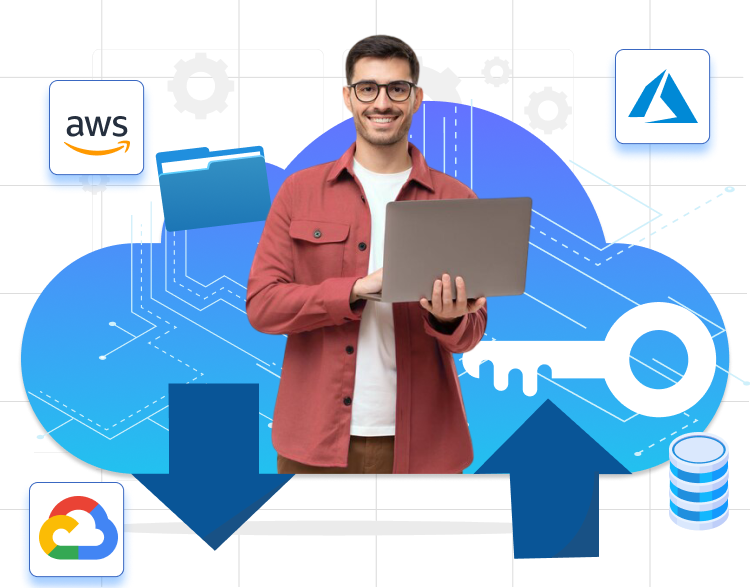
Cloud Infrastructure Feels Chaotic and Expensive?
Stop wasting time and money—let’s optimize it.
Managing cloud environments shouldn’t be a headache. Our DevOps and cloud experts streamline, optimize, and secure your AWS, Azure, or GCP setup—ensuring peak performance while keeping costs under control.
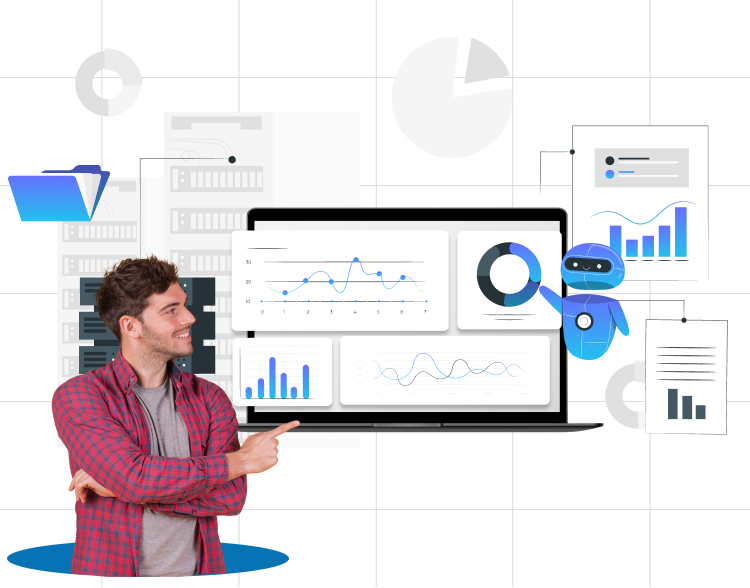
Generating Tons of Data but Not Sure How to Use It?
Your data has answers—we help you unlock them.
Data is only valuable when it drives action. We transform raw data into powerful insights using AI, machine learning, and analytics, empowering you to make smarter, data-driven decisions.

Customers Can’t Find You?
Let’s get you noticed and drive real growth.
A great product isn’t enough—you need visibility. We optimize your online presence with SEO, targeted marketing, and strategic outreach to put you ahead of the competition.
Businesses We Empower
Startups
Empowering early-stage businesses with scalable tech solutions. Turn your vision into reality with data-driven innovation and agile development.
Enterprises
Enhancing large-scale operations with robust, AI-powered solutions. Optimize processes, drive efficiency, and stay ahead of the competition.
Agencies
Supporting agencies with cutting-edge analytics and automation. Deliver exceptional results for your clients with smart, data-backed strategies.
Product-based
Helping product-driven businesses build, scale, and optimize. From MVPs to full-scale platforms, we drive innovation at every stage.
Our Expertise
Our Innovation Toolkit
Our Industry Expertise
Leaders in industry transformation, we design intelligent, scalable solutions that redefine efficiency and unlock new growth opportunities.
E-Commerce
Finance & Insurance
Non-Profit
Marketing & Advertising
HRM
Technology
Education & E-Learning
Telecom
Our Approach
Understand & Define
We start by diving deep into your needs, collaborating with you to define clear goals, pain points, and success metrics. No assumptions, just clarity.
Understand & Define
We start by diving deep into your needs, collaborating with you to define clear goals, pain points, and success metrics. No assumptions, just clarity.
Architect & Align
We design solutions tailored to your business, selecting the best tech stack for scalability, security, and seamless integration. One size doesn’t fit all, yours shouldn’t either.
Build & Iterate
Using agile methodologies, we develop with speed and precision, ensuring adaptability to changing needs. Clean code, efficiency, and future-proofing are at the heart of what we do.
Build & Iterate
Using agile methodologies, we develop with speed and precision, ensuring adaptability to changing needs. Clean code, efficiency, and future-proofing are at the heart of what we do.
Test & Optimize
Quality is non-negotiable. Every solution undergoes rigorous testing, performance tuning, and security checks to ensure flawless real-world performance.
Deploy & Evolve
Our commitment doesn’t end at delivery. We monitor, refine, and evolve your solution to ensure it grows with your business and stays ahead of the curve.
Deploy & Evolve
Our commitment doesn’t end at delivery. We monitor, refine, and evolve your solution to ensure it grows with your business and stays ahead of the curve.
Our Clients



Our Products


Scout Top Tech Talent at Scale with CoderScout
Efficiently hire at scale with minimal monitoring using browser-based IDEs with code completion, real-time collaboration, and AI-driven oversight. Screen more candidates quickly and confidently, ensuring you hire the best programmers without the hassle.


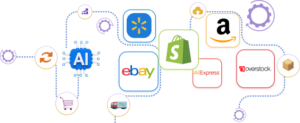
Automate Ecommerce & Dropshipping with SellerScape
Let SellerScape handle your dropshipping while you focus on growth. Streamline operations with automated order routing, product listing, inventory management, and powerful omnichannel tools.


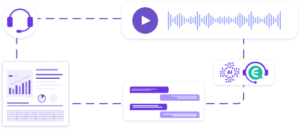
Transform Voice to Insights with Our AI Models
Echoz.ai is an AI-powered platform that provides detailed insights from calls and chat interactions, including transcript generation. It uses advanced AI models to help businesses identify pain points and improve customer relationships. By analyzing communication data, it supports growth through better understanding of customer needs.
Empower Your Business with Cutting-edge IT Solutions
Unlock Innovation and Growth with Our Expert Solutions