





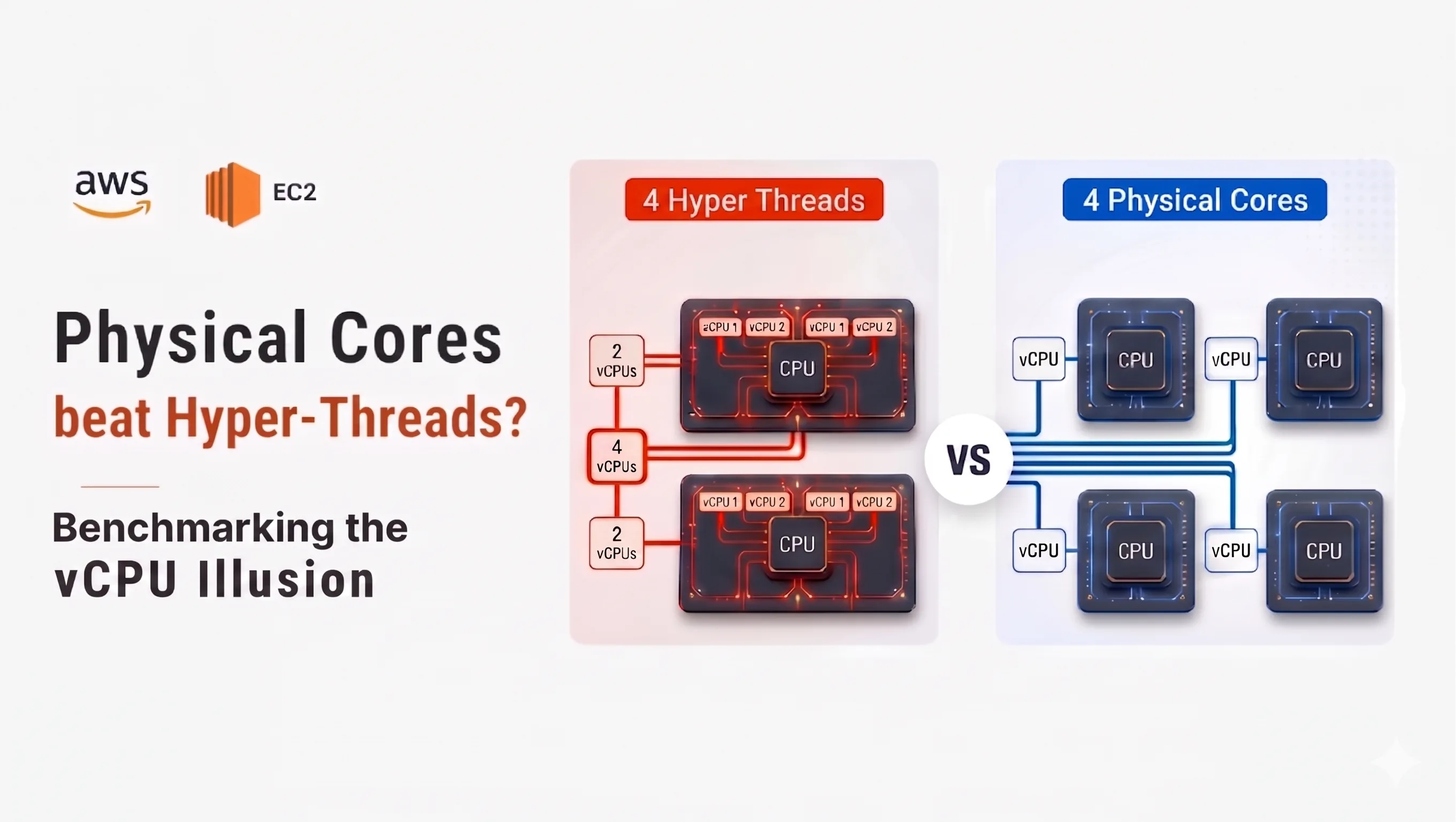
Physical Cores beat Hyper-Threads? Benchmarking the vCPU Illusion
In the Cloud, VM instance selection is usually done by comparing instance family, number of vCPUs, memory size, hourly cost etc. It is easy to assume that two instance types with the same number of vCPUs should provide roughly similar compute performance. However compute performance depends on subtle difference - whether vCPUs are backed by hyper-threads or dedicated physical cores.
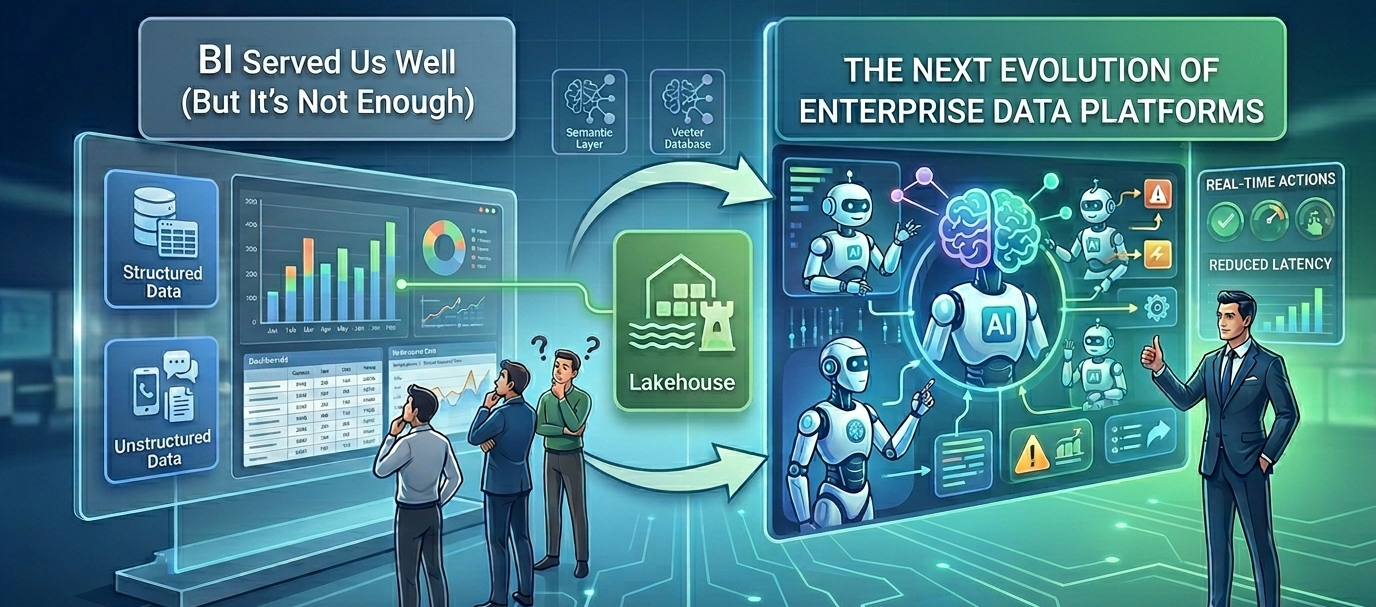
BI to AI Agents: The Next Evolution of Enterprise Data Platforms
Enterprise data platforms are evolving beyond dashboards into AI-powered copilots that help teams understand context, surface insights, and make faster decisions.

Is Your Data Lake Quantum-Safe?
Quantum computing will shatter the cryptographic foundations of today’s digital systems. Algorithms like RSA and ECC, which protect most data lakes, VPNs, TLS communications, and disk encryptions, are vulnerable to Shor’s algorithm on a fault-tolerant quantum computer.
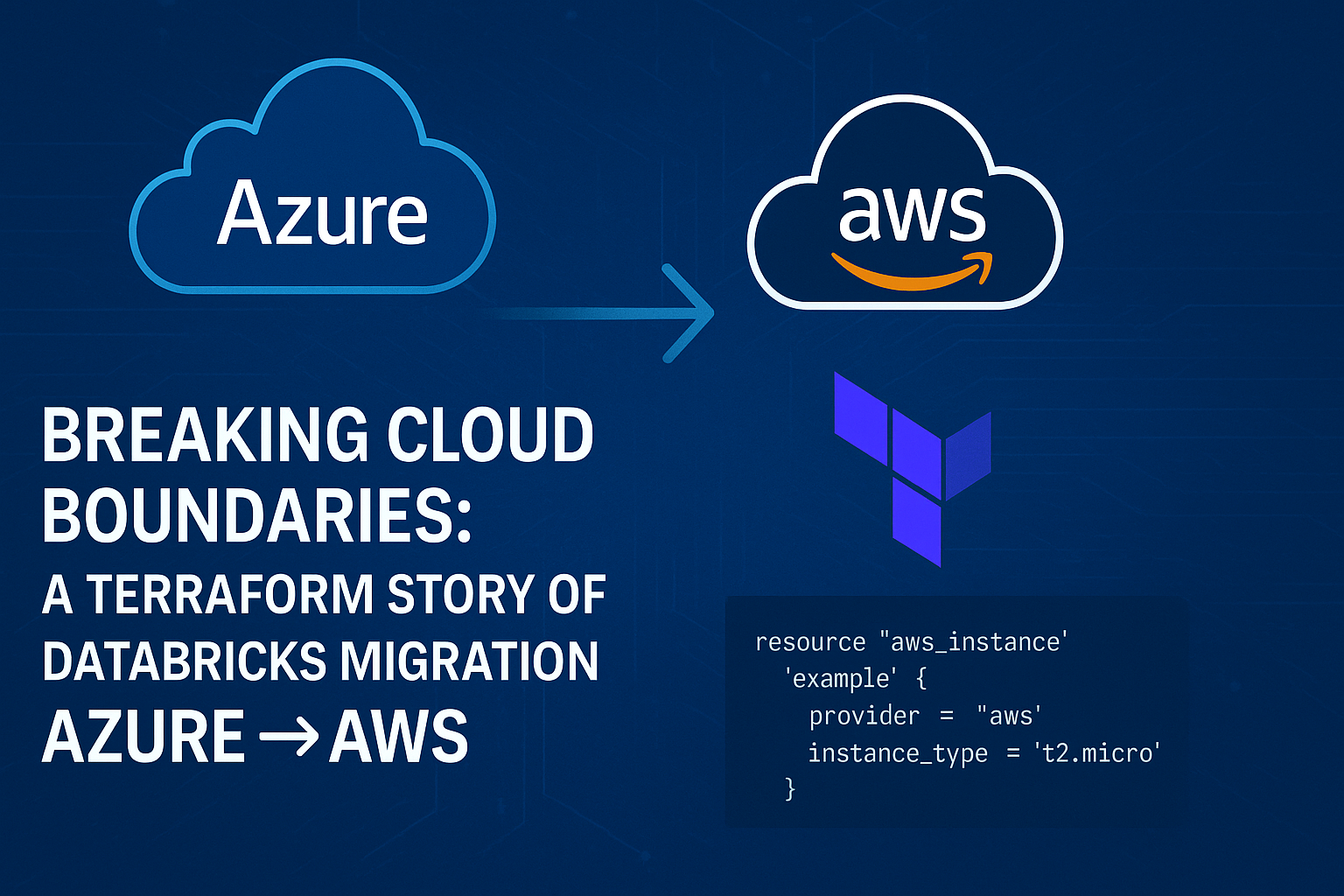
Breaking Cloud Boundaries: A Terraform Story of Databricks Migration Azure -> AWS
This blog post outlines a Proof of Concept (PoC) for migrating Databricks resources from Azure to AWS using Terraform. While still requiring some manual adjustments, this approach simplifies much of the resource migration using the experimental exporter from the Terraform Databricks Provider.
Hands-on practice for joining multiple SCD2 tables to make consolidated SCD2 in Data Warehousing
Joining multiple SCD2 tables effectively is fundamental to maintaining a comprehensive and accurate view of historical data.
Data Lake Orchestration: A robust and scalable approach
When we design an orchestration to build and populate Data Lake, It is highly recommended to build robust and scalable pipelines for the further possibility of growing & a variety of data, sources, and analytics needs.